Shaping future food systems to be sustainable
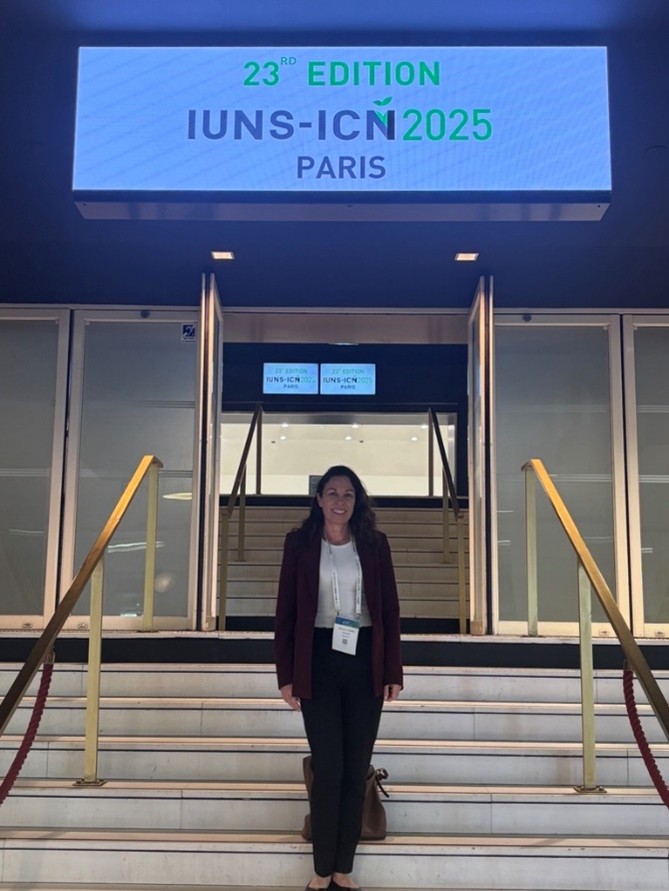
Caption: Monique at the International Congress of Nutrition
In August 2025, Monique Cashion, MLA Group Manager – Food and Nutrition, attended the International Congress of Nutrition, a global event held every four years that brings together researchers, dietitians, nutritionists and food industry leaders from around the world.
The central theme for the five-and-a-half-day program was Sustainable Food for Global Health.
“Researchers around the globe have a planetary vision on how food systems will operate in the future,” Monique said.
“They want food systems to be healthy, nutritious and sustainable.”
Global themes, local realities
While the conference explored global aspirations for sustainable food systems, a key message was that people don’t live – or eat – on a global scale.
“Each community has its own culture and ways of living that influence dietary patterns,” Monique said.
“Global diets vary widely, and food choices are based on what is available and long-standing customs, and countries were encouraged to develop and adopt their own dietary guidelines.”
Speakers emphasised the need to increase fruit and vegetables intake globally, while also reinforcing the ongoing value of red meat as a high-quality protein source and nutrient-dense food essential for growth, muscle maintenance and overall health.
In Australia, Monique noted, red meat continues to play an important role in a healthy and sustainable diet. A recent CSIRO study (titled Protein Source and Micronutrient Adequacy in Australian Adult Diets with Higher Diet Quality Score and Lower Environmental Impacts) found that sustainable, healthy diets containing 60-80% of protein intake from animal sources including red meat were the most nutritionally adequate.
“Generally, Australians are eating in line with the dietary guidelines recommendations, which is around 455 grams of cooked lean red meat per week.”
Accessibility and affordability
Many presentations explored what a healthy diet looks like, then examined how sustainability fits within those principles.
“Availability and access were major themes,” Monique said.
“With rising cost of living pressures, affordability and access vary significantly across global regions.”
She highlighted the importance of continuing industry efforts to produce sustainable red meat, while also helping consumers understand where their food comes from, how it is produced and how to make the most of different cuts.
Key outcomes from the conference
Several major updates and discussions emerged from the event, including:
- Eat Lancet 2.0 – A renewed effort to promote healthy, sustainable food systems, with minimal changes from the 2019 report.
- FAO review – An upcoming systematic review examining the nutrient density, taste and consumer perception of plant-based meat alternatives.
- Ultra Processed Foods (UPFs) – A new three paper Lancet series highlighting the global rise of UPFs and their potential health impacts, calling for stronger policy action and greater recognition of UPFs in dietary guidelines and food-system planning.
- WHO recommendations – New guidance on optimal intake of animal-sourced foods to be released in mid-2026.
What this means for the Australian red meat industry
For the Australian Beef Sustainability Framework (ABSF), the latest materiality assessment found that nutrition and food security fall into the “material impact significance” category. Ensuring the Australian industry provides access to safe, sufficient and nutritious food remains a core commitment of the framework. This includes continuing to educate consumers about beef as a high-quality protein source within a balanced diet.
For Monique, a key takeaway was the importance of maintaining leadership in sustainability while continuing to promote lean red meat as part of a balanced diet, closely aligning with the ABSF’s commitments.
“Focusing on lean red meat consumption alongside legumes, leafy greens and whole grains is important as we continue to educate people and await the release of Australia’s new dietary guidelines,” she said.
More information
Contact:
Monique Cashion
Jacob Betros
Resources: